

Core stability can make a real difference to how you train, recover and feel your best. This practical guide breaks down exactly what matters — and how to get it right.
In traditional fitness programs, core training is often reduced to high-repetition abdominal crunches. However, true athletic power and injury prevention require a deeper understanding of functional biomechanics. Your core is not just a single muscle group designed for flexing forward; it is a complex, three-dimensional muscular corset that stabilizes your entire spine and pelvis. Mastering deep, multi-planar core stability is the absolute foundation for unlocking flawless movement patterns, balance, and explosive physical power.
1. The Anatomy of True Spinal Stabilization
True core strength originates from deep stabilizing muscles like the transverse abdominis, multifidus, and pelvic floor. Instead of generating rapid motion, these muscles are engineered to resist unwanted movement, protecting your spinal discs under physical load. Integrating deliberate, slow isometric holds into your routine trains these deep fibers to contract automatically. This protective muscular bracing habit shields your lower back from injury during high-impact sports.
2. Multi-Planar Movement and Balance
Your body moves through three distinct planes of motion: forward-backward, side-to-side, and rotational. Training your core to resist rotation (anti-rotation) is critical for transferring physical energy from your lower body to your upper limbs. Setting up your training zone within a dedicated Mindful Studio Environment helps you mentally isolate these complex movements, allowing you to build sharp coordination, fluid agility, and perfect balance.
3. Preserving Structural Longevity
Focusing on functional core stability preserves your skeletal health, correcting poor posture habits caused by prolonged desk work. Prioritizing correct alignment over repetition ensures your joints remain healthy for decades. To explore international research on biomechanical safety frameworks, sports performance testing, and certified ergonomic design standards, you can review the publications managed by the International Organization for Standardization (ISO).
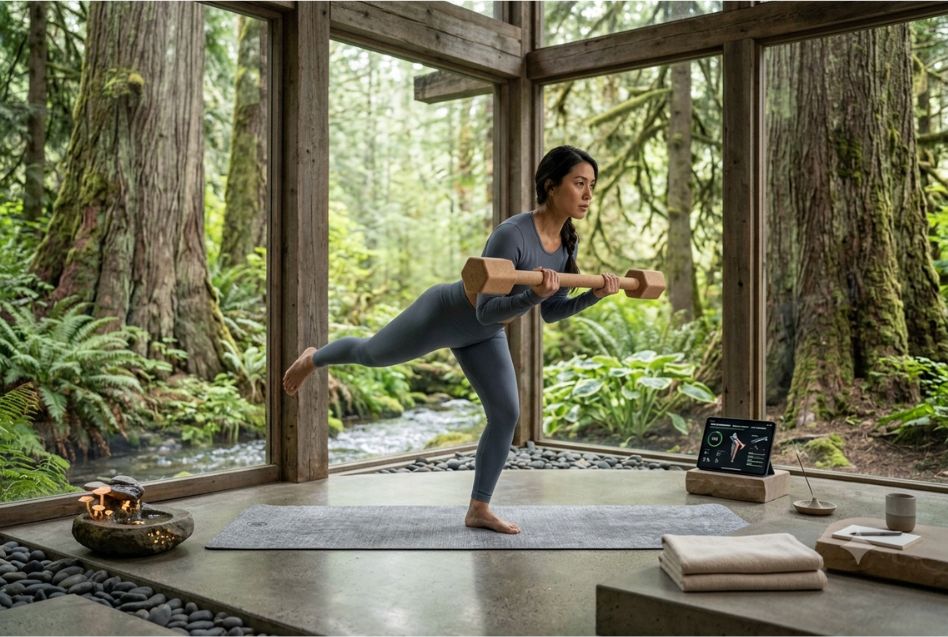
Real Core Strength Is About Stability
A strong core does far more than power crunches — it stabilises your spine, transfers force between your upper and lower body, and protects you from injury. True core training focuses on control and stability, not just endless repetitions.
Train Your Core the Smart Way
Prioritise anti-movement exercises like planks and controlled holds that teach your midsection to resist forces rather than simply crunch. Move with intention, breathe steadily, and wear flexible activewear that supports your torso without restricting it.
- Focus on stability, not just crunches.
- Train your core to resist movement.
- Prioritise control and breathing.
- Wear supportive, flexible gear.
A stable core is the engine behind every strong movement. Gear up with supportive, flexible pieces from our collection.
Common Questions About Core Stability
Are crunches enough for a strong core?
No — true core strength comes from stability and control, not just high-repetition crunches.
What are the best core exercises?
Anti-movement holds like planks that teach your midsection to resist force build far more usable strength.
Comfortable, well-made gear turns good intentions into consistent habits. Explore our full range of premium activewear and accessories in the shop and set yourself up to train, recover, and feel your best every day.
Building a Genuinely Strong Core
Real core strength is about control, not crunches. Train it smarter with these tips:
- Prioritise anti-movement holds like planks that resist force.
- Keep your midsection braced through every exercise.
- Move slowly and with control rather than rushing reps.
- Train your core two or three times a week.
- Wear supportive gear that lets you brace and breathe freely.
The right gear makes these habits easier to keep. Browse our premium activewear and accessories in the shop to train and recover in comfort.
Final Thoughts
A strong core is not built with endless crunches — it is built through stability and control. Anti-movement holds like planks teach your midsection to resist force, which is exactly what it does in real life and real training. Move slowly, keep your core braced through every exercise and train it consistently a couple of times a week, and you will build strength that actually transfers to everything else you do. Skip the ego and focus on quality over quantity. Pair that patient work with supportive gear that lets you brace and breathe freely, and you will develop a core that is genuinely strong, not just tired.
Key Takeaways on Core stability
Here is the bottom line on core stability — the few things that make the biggest difference:
- Core stability is about control and anti-movement strength, not endless crunches.
- Bracing holds like planks build a core that transfers to real life.
- Move slowly, keep your midsection braced, and train it two to three times a week.
- Supportive gear that lets you brace and breathe freely improves every session.
Get the fundamentals of core stability right, keep the habits simple, and back them with comfortable, well-made gear from our shop. That is how small, consistent daily choices turn into lasting results you can actually feel.
Leave a Reply