

High-stress performance can make a real difference to how you train, recover and feel your best. This practical guide breaks down exactly what matters — and how to get it right.
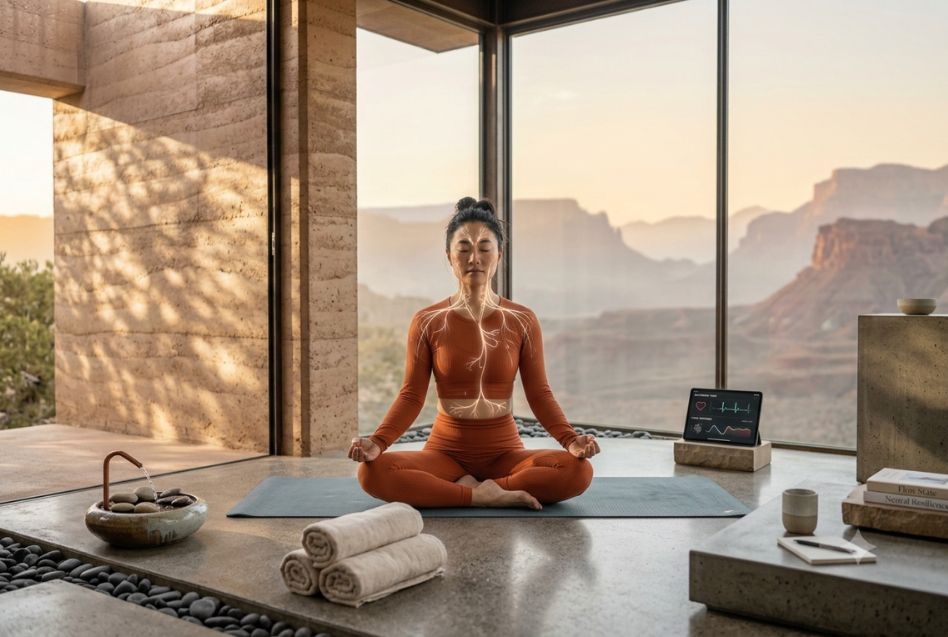
In modern physical conditioning, we continuously push the boundaries of metabolic output. However, true performance optimization depends heavily on how rapidly your body can switch off this high-alert state. The vagus nerve—the primary pathway of the parasympathetic nervous system—serves as the master brake for your cardiovascular system. Activating this neural highway is the key to reducing systemic inflammation, stabilizing heart rate variability, and accelerating deep cellular recovery.
1. The Physiology of Autonomic Down-Regulation
High physical strain keeps your body trapped in an elevated sympathetic mode. Stimulating the vagus nerve counteracts this by releasing acetylcholine, a neurotransmitter that signals your heart to slow down. Incorporating slow, diaphragmatic breathing patterns into your post-workout protocol actively tones this nerve, shifting your biology from a state of tissue breakdown to a state of rapid muscular reconstruction.
2. Diaphragmatic Mechanics and HRV
To effectively stimulate vagal pathways, breathing must engage the diaphragm. Practicing deep respiratory control in your Mindful Healing Haven improves your Heart Rate Variability (HRV)—the gold standard metric of recovery. This conscious structural breathing expands your lungs, physically massages the vagus nerve, and immediately triggers deep mental stillness.
3. Preserving Neurological Longevity
Tuning your autonomic nervous system daily is a vital investment in long-term physical stamina. Prioritizing nervous system rest protects your endocrine system from chronic exhaustion. To review international research on respiratory safety protocols, autonomic testing, and certified clinical wellness standards, you can explore the frameworks published by the International Organization for Standardization (ISO).
Recovery Is a Skill You Can Train
Peak performance is not only about how hard you push — it is about how quickly you return to calm afterwards. Athletes who recover their nervous system efficiently between efforts sustain higher output with fewer injuries. Controlled breathing, quality sleep, and deliberate downshifting after intense sessions all sharpen this ability.
Practical Ways to Regulate
Build short recovery windows into your training: slow nasal breathing, gentle movement, and a few minutes of stillness signal your body to shift out of high-alert mode. Comfortable, non-restrictive clothing supports this by keeping you relaxed rather than fighting tight seams or stiff fabric while you wind down.
- Use slow, extended exhales to calm your system fast.
- Prioritise consistent, deep sleep.
- Add light movement on rest days.
- Wear breathable gear that helps you relax between efforts.
Train hard, but recover with intention — that is where lasting progress lives. Find comfortable, high-performance pieces in our collection to support every phase of your training.
Common Questions About High-Stress Performance
How do I recover faster between hard efforts?
Slow, extended exhales, light movement, and a few minutes of genuine stillness quickly shift your body out of high-alert mode.
Is recovery really trainable?
Yes. The more you practise downshifting your nervous system, the faster and more efficiently your body learns to recover.
Comfortable, well-made gear turns good intentions into consistent habits. Explore our full range of premium activewear and accessories in the shop and set yourself up to train, recover, and feel your best every day.
Everyday Recovery Habits
Recovery is a skill you can train. Weave these simple habits into your routine:
- Practise slow, extended exhales to downshift your nervous system.
- Add light movement on rest days to boost circulation.
- Protect your sleep — it is your most powerful recovery tool.
- Take short screen-free breaks throughout the day.
- Change into comfortable, relaxed clothing to help your body unwind.
The right gear makes these habits easier to keep. Browse our premium activewear and accessories in the shop to train and recover in comfort.
Final Thoughts
Recovery is not the opposite of training — it is part of it. The better you get at downshifting your nervous system, the faster your body bounces back and the more you get from every hard effort. Slow breathing, light movement, protected sleep and genuine screen-free rest are simple, free tools that pay off quickly when you use them consistently. Treat recovery with the same intention you bring to your workouts and progress stops feeling like a grind. Give your body the calm and comfort it needs to rebuild, and you will train harder, feel better and stay in the game far longer.
Key Takeaways on High-stress performance
Here is the bottom line on high-stress performance — the few things that make the biggest difference:
- High-stress performance drains your body fast without deliberate recovery.
- Slow exhales, light movement and real stillness downshift your system quickly.
- Recovery is trainable — the more you practise it, the faster you bounce back.
- Comfortable clothing and calm surroundings help you reset.
Get the fundamentals of high-stress performance right, keep the habits simple, and back them with comfortable, well-made gear from our shop. That is how small, consistent daily choices turn into lasting results you can actually feel.
Leave a Reply