

Workout injuries can make a real difference to how you train, recover and feel your best. This practical guide breaks down exactly what matters — and how to get it right.
Whether you are holding a rigorous warrior pose or transitioning through an intense vinyasa flow, a split-second slip can disrupt your alignment and lead to joint strain. In fitness and yoga practices, minor surface stabilization issues often snowball into acute wrist or ankle injuries. Understanding how advanced surface physics interacts with your body weight is the secret to building a safe, progressive workout routine.
1. The Physics of Surface Friction
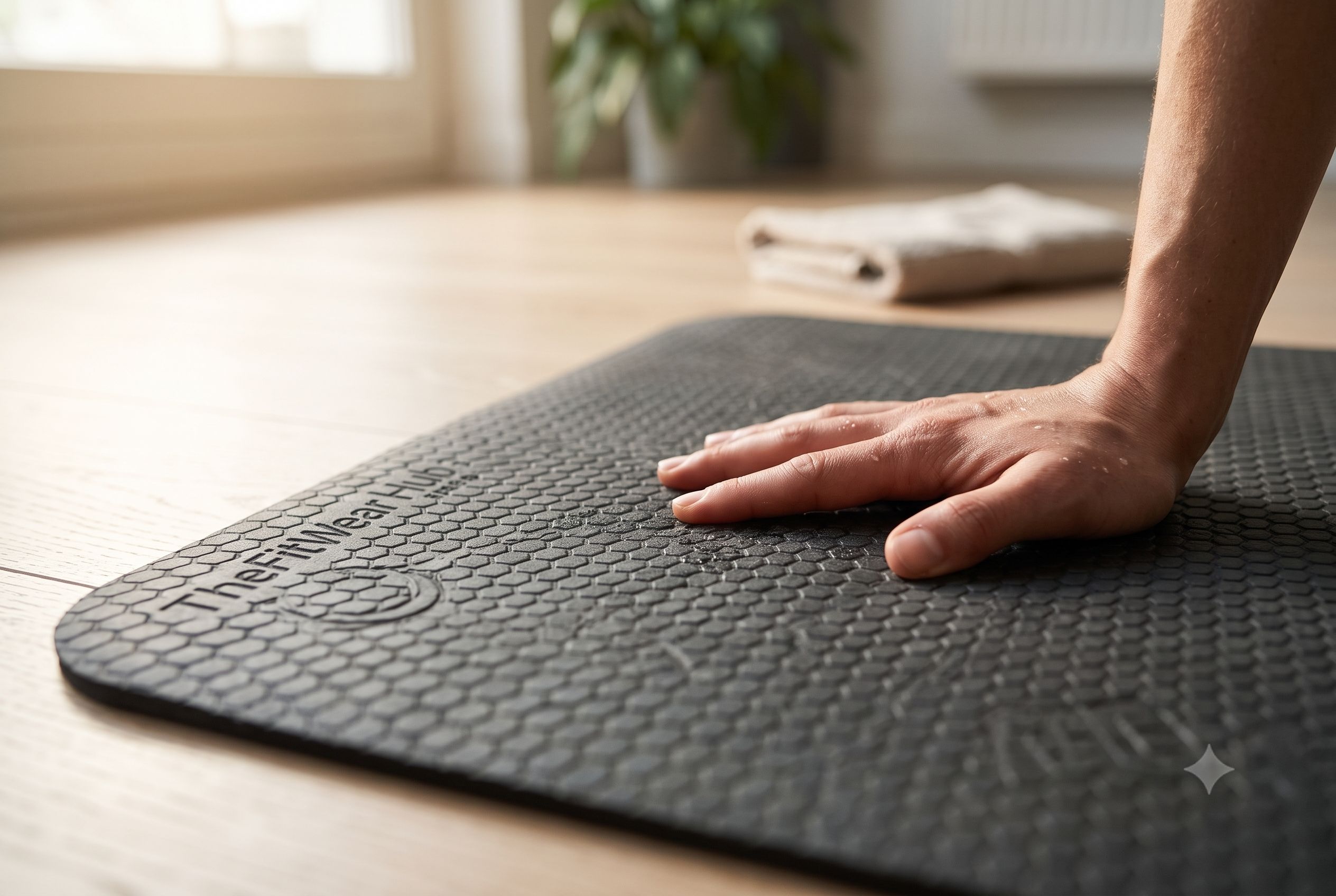
Standard commercial mats often feature slick, cheap plastic composites that lose traction the moment your skin produces light moisture. Professional training requires high-density material properties engineered with specialized, open-cell microstructures. This microscopic texture acts like an anchor for your hands and feet, transforming your natural downward force into horizontal stability that locks your stance completely in place.
2. Dynamic Micro-Slip Prevention
The most dangerous slips during complex bodyweight exercises are not the obvious falls, but the tiny, continuous micro-slips that happen when your weight shifts. Using a specialized Non-Slip Traction Mat provides immediate feedback to your kinetic chain. This direct grip ensures that your wrists, shoulders, and lower back don’t have to overcompensate, significantly reducing unnecessary ligament fatigue.
3. Protecting Structural Joints
Investing in deep cushioning combined with reliable surface traction shifts the mechanical strain off your delicate joints and places it firmly back onto your core muscles. Creating a premium studio space means prioritizing advanced safety standards above all else. To study international consumer gear evaluations and gym safety compliance criteria, you can read the public safety protocols mapped out by the International Organization for Standardization (ISO).
Why Grip and Traction Matter More Than You Think
Most workout injuries do not come from lifting too heavy — they come from small, sudden losses of stability. When your hands, feet, or knees shift even a centimetre mid-movement, your joints absorb the correction. Over time, these micro-slips add up to strains and overuse injuries. A textured, high-traction surface keeps every rep anchored so your body can focus on form instead of fighting to stay in place.
How Textured Surfaces Protect Your Joints
Textured mats and grippy activewear work by increasing the friction between you and your training surface. This does three things: it stabilises your base, it improves proprioception (your body’s sense of position), and it reduces the compensations that lead to knee, wrist, and lower-back pain. The sweatier you get, the more a quality textured surface actually grips — exactly when you need it most.
Simple Ways to Stay Injury-Free
- Choose gear with a proven non-slip finish rather than a smooth, glossy one.
- Warm up your joints before high-impact or dynamic movements.
- Replace worn-out equipment — traction fades long before gear looks used.
- Wear supportive, breathable activewear that moves with you instead of bunching.
Injury prevention is not about training less — it is about training smarter with equipment you can trust. Explore our range of grippy, supportive gear in the shop and give every session a stable, confident foundation.
Common Questions About Workout Injuries
Do textured mats work when I sweat a lot?
Yes — quality textured surfaces are designed to grip more firmly as moisture increases, so you stay stable during your most intense sessions.
How often should I replace grippy gear?
Traction wears out long before gear looks old. If you notice any slipping, it is time to replace it to keep training safe.
Comfortable, well-made gear turns good intentions into consistent habits. Explore our full range of premium activewear and accessories in the shop and set yourself up to train, recover, and feel your best every day.
Getting the Most From Grippy Gear
If you train hard and sweat, traction is everything. A few habits keep your gear performing at its best:
- Wipe your gear down after every session so grip-killing residue never builds up.
- Let equipment dry fully before rolling or storing it to protect the textured surface.
- Test your footing at the start of each workout, especially before explosive movements.
- Rotate two sets if you train daily so each one has time to fully recover.
- Replace anything that starts to slip — worn traction is a genuine injury risk.
The right gear makes these habits easier to keep. Browse our premium activewear and accessories in the shop to train and recover in comfort.
Key Takeaways on Workout injuries
Here is the bottom line on workout injuries — the few things that make the biggest difference:
- Preventing workout injuries starts with reliable, grippy gear.
- Quality traction holds firmer as you sweat, keeping you stable.
- Wipe gear down and let it dry to preserve grip.
- Replace anything that starts to slip — worn traction is a real risk.
Get the fundamentals of workout injuries right, keep the habits simple, and back them with comfortable, well-made gear from our shop. That is how small, consistent daily choices turn into lasting results you can actually feel.
Leave a Reply