

Mat cushioning can make a real difference to how you train, recover and feel your best. This practical guide breaks down exactly what matters — and how to get it right.
When executing high-impact floor exercises, dynamic planks, or extended kneeling poses, your joints bear the full force of your body weight against a hard floor. Using a thin, low-quality mat creates point-pressure zones that strain delicate ligaments in your knees, wrists, and spine. In functional fitness, protective structural support is not about soft, sinking comfort—it is about high-density shock absorption that actively preserves your joint health.
1. The Physics of Impact Dispersion
Cheap foam mats compress completely under pressure, causing your bones to bottom out against the solid floor beneath. Premium engineering utilizes closed-cell, high-density structures that dynamically push back against your weight. This structural resistance absorbs the peak kinetic energy of your movements, distributing the localized impact forces evenly across a wider surface area to eliminate sharp, painful pressure points.
2. Dynamic Stability and Joint Alignment
A mat that is too soft or squishy can cause your ankles and wrists to wobble, leading to micro-alignment errors and unexpected sprains. Utilizing a professional High-Density Support Mat provides a rock-solid, non-slip foundation. This firm resilience ensures your joints remain perfectly stacked during intense flows, allowing your muscles to engage correctly without overcompensating for balance.
3. Long-Term Skeletal Protection
Prioritizing orthopedic cushioning in your daily workout sanctuary is an essential investment in your lifelong mobility. Consistent shock reduction shields your cartilage from premature wear and chronic inflammation. To study international biomechanical equipment testing and certified safety standards for impact-absorbing fitness gear, review the official regulatory frameworks published by the International Organization for Standardization (ISO).
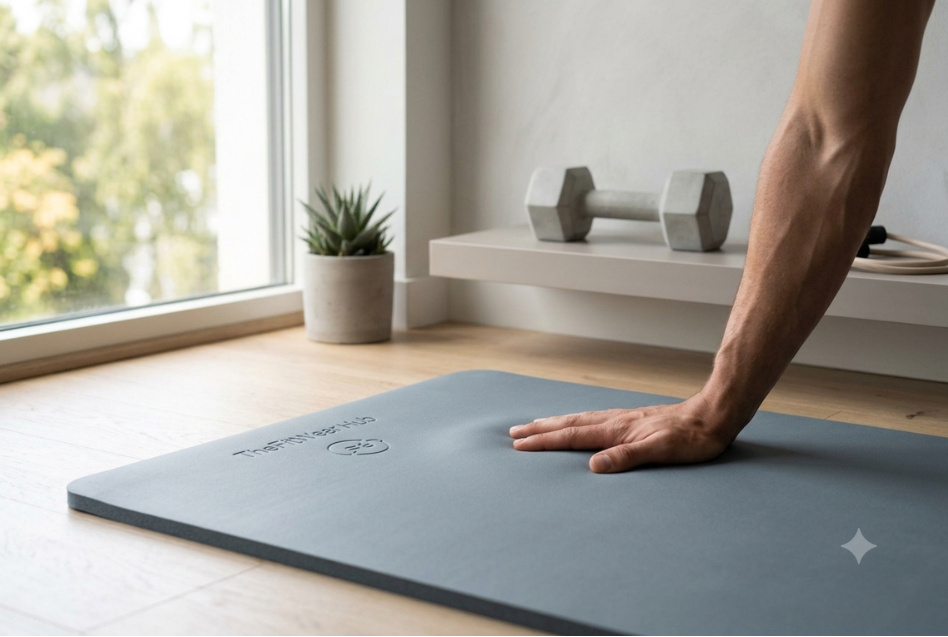
Why Cushioning Protects Performance
High-density cushioning absorbs impact so your joints do not have to. During floor work, planks, or extended kneeling, a supportive surface distributes force evenly, reducing pressure on knees, wrists, and hips. That protection lets you train longer and more comfortably without nagging aches.
Finding the Right Balance
The best cushioning is firm enough to keep you stable yet forgiving enough to protect your joints. Too soft and you lose your base; too hard and impact travels straight into your body. Pair supportive equipment with comfortable, flexible clothing and every session feels noticeably better.
- Choose dense, supportive cushioning over overly soft padding.
- Match thickness to the type of training you do.
- Protect high-pressure joints during floor work.
- Combine good gear with breathable, flexible clothing.
Comfort and stability should never be a trade-off. Browse supportive, performance-ready essentials in our shop.
Common Questions About Mat Cushioning
How thick should my cushioning be?
Enough to protect your joints during floor work while staying firm enough to keep you stable — the right balance depends on your training.
Does cushioning wear out?
Yes, support fades over time, so replace worn equipment to keep your joints protected.
Comfortable, well-made gear turns good intentions into consistent habits. Explore our full range of premium activewear and accessories in the shop and set yourself up to train, recover, and feel your best every day.
Protecting Your Joints During Floor Work
The right cushioning keeps training comfortable and safe. Keep these points in mind:
- Choose support firm enough to stay stable, soft enough to protect.
- Match cushioning to your training — dynamic work needs stability.
- Replace equipment once the support starts to fade.
- Position yourself so knees, wrists and hips are properly padded.
- Store your gear flat so it keeps its shape.
The right gear makes these habits easier to keep. Browse our premium activewear and accessories in the shop to train and recover in comfort.
Final Thoughts
The right cushioning is easy to overlook until your joints start complaining. Support that is firm enough to keep you stable yet soft enough to protect is the sweet spot for comfortable, confident floor work. Match your cushioning to how you actually train, position yourself so knees, wrists and hips are properly padded, and replace anything once the support begins to fade. Your joints do a lot of quiet work every session, and protecting them now keeps you moving well for years to come. Get this foundation right and everything you build on top of it — strength, mobility, endurance — comes far more easily.
Key Takeaways on Mat cushioning
Here is the bottom line on mat cushioning — the few things that make the biggest difference:
- The right mat cushioning protects your joints during floor work.
- Aim for support firm enough to stay stable, soft enough to protect.
- Match cushioning to your training and replace it once support fades.
- Position yourself so knees, wrists and hips are properly padded.
Get the fundamentals of mat cushioning right, keep the habits simple, and back them with comfortable, well-made gear from our shop. That is how small, consistent daily choices turn into lasting results you can actually feel.
Leave a Reply